The pause that holds everything
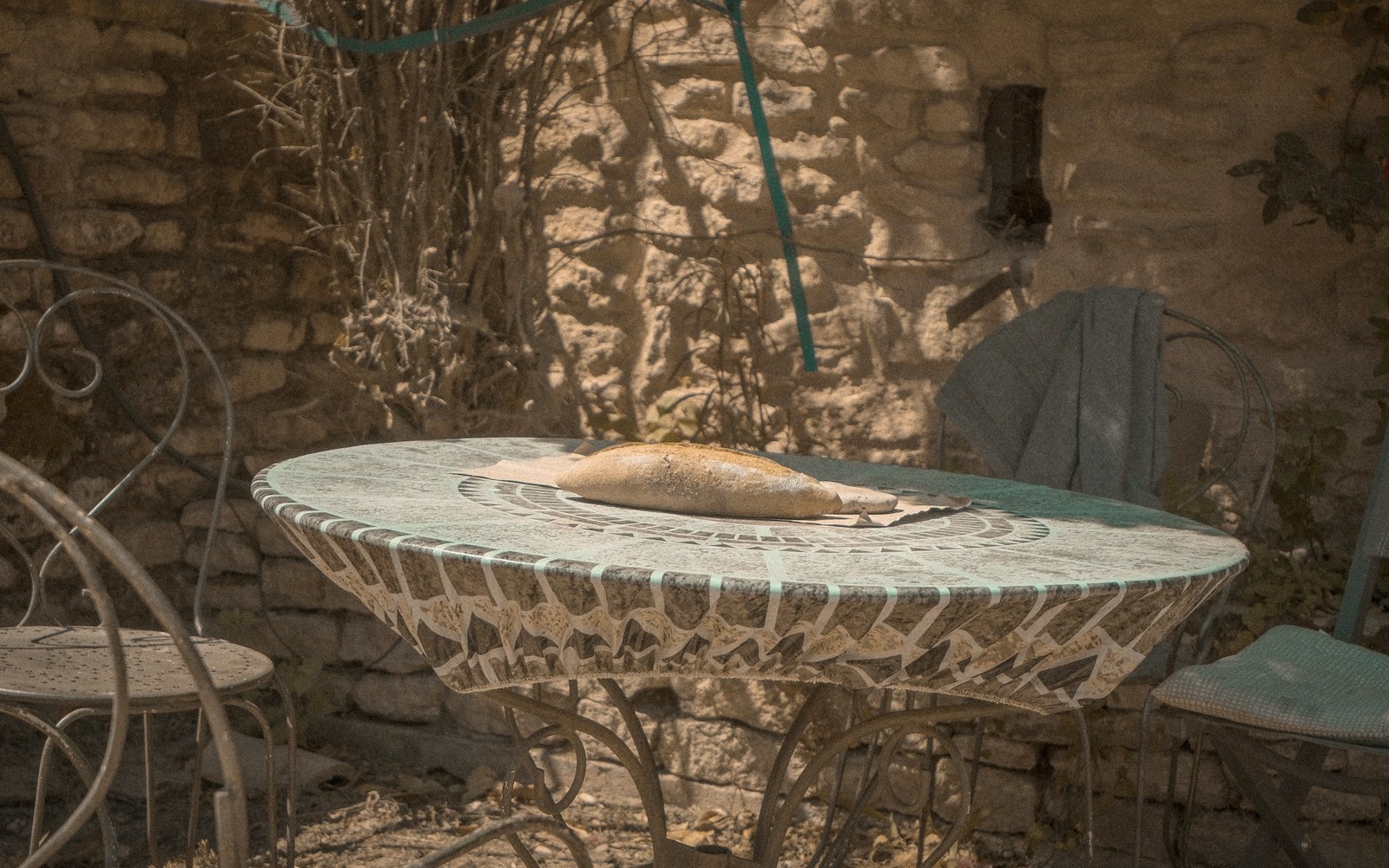
There is a particular quality of light at a French table around half past twelve — the bread already torn, a carafe of water sweating gently, someone consulting the ardoise above the bar. Nothing has quite started, and that is precisely the point.
The long lunch is not about the food, though the food is usually good. It is about the deliberate suspension of forward motion. Two hours — sometimes three — carved out of the working day not as indulgence but as necessity, the way sleep is a necessity. You return to the afternoon a different person: steadier, more tolerant, faintly pleased with yourself for no particular reason.
The long lunch is not about the food, though the food is usually good.
What France understands, and much of the rest of the world has largely forgotten, is that the midday pause is structural. Restaurants fill at noon because people are expected to leave their desks; a lunch eaten without haste is simply what Tuesday looks like. The single plat du jour, a glass of something light, a coffee taken sitting down — this is not luxury. It is maintenance.
The ritual has its own grammar: apéritif optional but welcome, bread arriving before you ask, dessert debated and usually ordered. Conversation wanders. Phones are not exactly forbidden but feel faintly wrong. The bill arrives without hurry. You settle it without hurry. This, too, is part of the form.
A two-hour lunch defended is really a whole philosophy defended — the one that says the middle of the day belongs to you, and that the afternoon will wait.