The Myth You Can Stop Believing
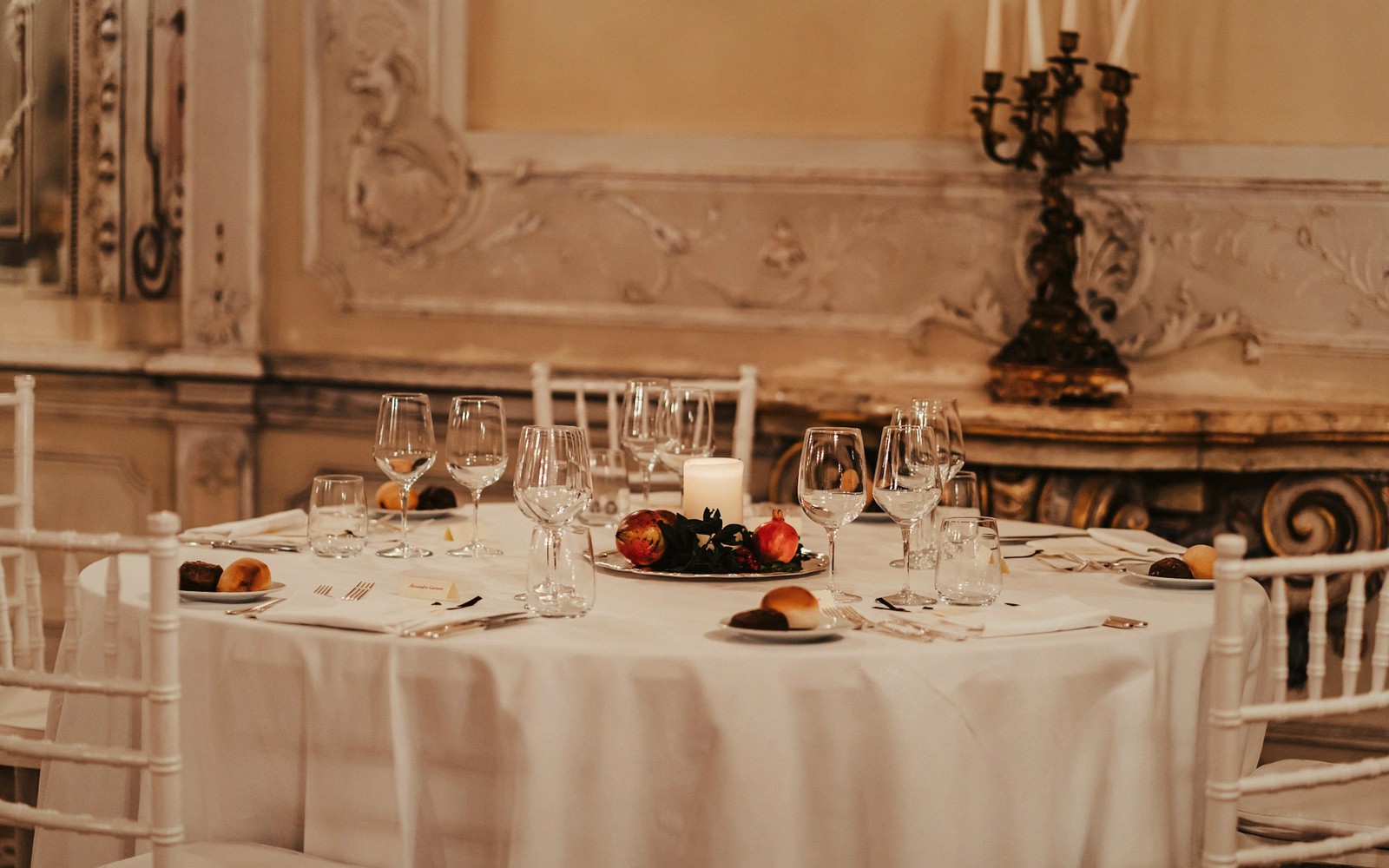
The French dinner party has a reputation it doesn't entirely deserve. Ask a non-French person to picture one and they'll imagine a hostess who has been cooking since Wednesday, emerging red-faced from a steam-filled kitchen to present a masterwork that silences the table. The reality — in apartments from the Marais to Montpellier — is often quieter, more relaxed, and considerably more sensible than that.
The genius of the French approach is structural. A meal is built in distinct courses, which sounds demanding until you realize that most of them require nothing that resembles cooking. The host's job is to compose, to shop well, and to be present at the table. The stove is for one act only. Everything else is arrangement.
Five Courses of Almost No Work
L'apéro. Before you sit down, there is the apéro — drinks with something salty, something to nibble, no performance required. A bowl of good olives, a board of radishes with cold butter and fleur de sel, perhaps a thin-sliced saucisson from the charcutier. Open a bottle of something cold and sparkling, step out of the kitchen, and stay out. This course costs ten minutes at the market and zero minutes at the stove.
The amuse-bouche or first course. Think cold, composed, plated ahead. A few slices of jambon de Bayonne draped over half a ripe fig. A curl of smoked salmon with crème fraîche and capers, already on its plate in the fridge. A small green salad, dressed at the last second. The French have no anxiety about simple: a truly good tomato, sliced, with olive oil and fleur de sel, is considered first-course worthy from July through September. Season correctly, buy the best version, and trust it.
Le fromage… wait, we'll come back. In France, cheese arrives before dessert, not after — a distinction worth adopting. But cheese too is no-cook, no-stress. Three cheeses, well-chosen, served at room temperature (pull them from the fridge two hours before guests arrive — this step alone separates the experienced host from the anxious one). One that is young and mild, one that pushes back, one that is rich and assertive: a soft chèvre, a Comté aged eighteen months, a wedge of Roquefort. The cheese course has never required more than this.
One that is young and mild, one that pushes back, one that is rich and assertive: a soft chèvre, a Comté aged eighteen months, a wedge of Roquefort.
Dessert. This is where French pragmatism is most liberating: you bought it. A tarte from the pâtisserie, assembled in its white box that morning, is not a failure — it is a correct decision. A good île flottante can be made ahead and chilled. A bowl of fraises des bois with crème fraîche. A plate of financiers from the bakery alongside a scoop of good ice cream. The French are not embarrassed by the pâtissier; they are grateful for him.
Which leaves the main course. One dish, cooked or assembled, and here is where you spend your actual effort — singular. A slow-braised daube de bœuf made the day before (it is always better reheated). A leg of lamb that roasts itself while you drink with your guests. A whole salmon poached earlier and served cold with a mustardy sauce. A good rule: if it can be finished before guests arrive, or if it cooks itself, it is a worthy main course. If it requires you to stand at the stove while conversation swirls without you, reconsider.
The Host Who Stays in the Room
There is a word that does real work here: présence. The French do not consider a dinner party successful because the food was technically accomplished. They consider it successful because the host was there — talking, pouring, listening, setting the pace of the evening. A meal where the host vanishes every ten minutes to check on something produces a particular, nameable anxiety in guests. They feel guilty for being seated; they offer to help; the rhythm breaks.
The antidote is not to cook less in the sense of caring less. It is to do more of the work earlier — at the market on Saturday morning, at the kitchen table that afternoon — so that by the time the bell rings, the room is warm, something smells good, and you are already holding a glass.
One more borrowed habit: the French do not rush the table. Courses arrive slowly, with gaps for conversation to breathe. There is no pressure to produce the next plate; the empty space between courses is itself a pleasure. You are not a restaurant, and no one at your table expects to be fed on a clock.
Buy the tarte. Serve the radishes. Braise the beef the night before. Be in the room.